
Online Fitness Coach: What They Do & Who Needs One
Learn how an online fitness coach helps with workouts, accountability, progress tracking, and building a sustainable routine from home.
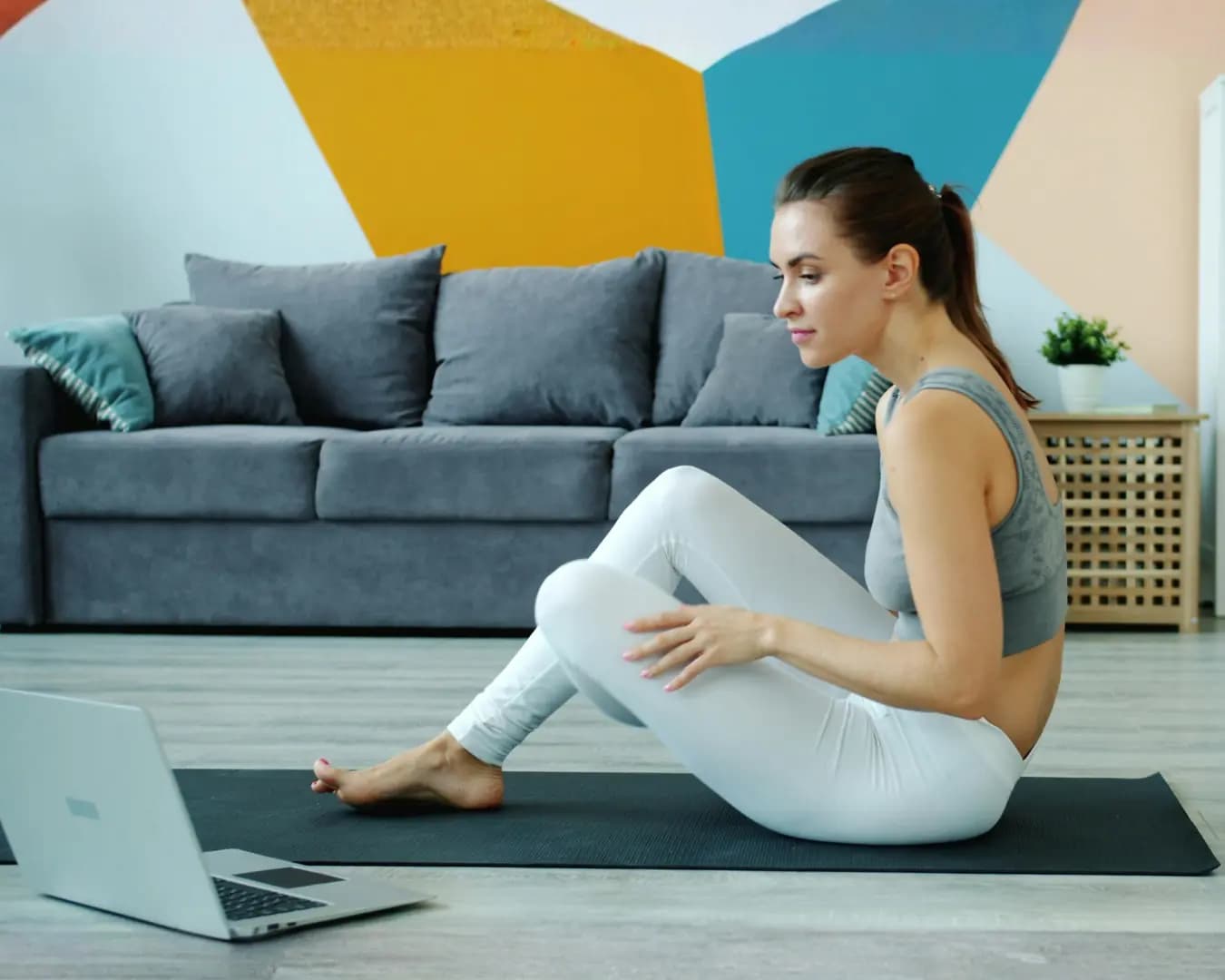
An online fitness coach helps you train with structure, accountability, and ongoing support without needing to meet in person.
But the real value is not just receiving a workout plan.
The real value is having someone help you make better training decisions over time.
A good online fitness coach looks at your goal, schedule, equipment, fitness level, limitations, progress, and consistency. Then they help you adjust the plan when life changes, motivation drops, or results slow down.
This is different from simply following random workouts or pre-recorded video classes.
Those can be useful for movement.
But they usually do not adapt to you.
What Does an Online Fitness Coach Actually Do?
An online fitness coach usually supports you in four main areas:
workout planning
progress tracking
habit support
accountability
The coach helps answer questions like:
What should I train this week?
Am I doing too much or too little?
Should I increase load or repeat the same level?
What should change if I feel tired, sore, or busy?
How do I stay consistent when life gets messy?
That ongoing decision-making is where coaching becomes valuable.
Online Fitness Coach vs Workout App
A workout app usually gives you content.
An online fitness coach gives you context.
A fixed app workout may say:
“Do this workout today.”
A coach asks:
“Is this the right workout for your body, your schedule, your recovery, and your goal today?”
That difference matters because fitness progress is not only about completing workouts. It is about applying the right training stress at the right time.
If the plan is too easy, you may not progress.
If the plan is too hard, you may burn out or stop.
If the plan never changes, results may plateau.
Why Online Coaching Matters for Consistency
Most people do not quit because they lack exercises.
They quit because the routine becomes hard to maintain.
Common reasons include:
busy schedule
low motivation
unclear progress
soreness or discomfort
no feedback
no one noticing missed workouts
An online fitness coach can help by creating a realistic structure and checking in regularly.
This does not need to feel like pressure.
The best accountability feels supportive.
It helps you return after missed sessions instead of feeling like you failed.
Coaching Insights From the PureFit Coach Team
1. The best plan is the one that keeps getting adjusted
A beginner may start with two simple strength sessions per week.
Later, that same person may need more resistance, different exercise variations, mobility work, or recovery adjustments.
A plan should evolve.
2. Small changes often create better consistency
Many people think they need a completely new program when they struggle.
Often, they only need small adjustments:
shorter sessions
better exercise order
easier starting point
clearer weekly schedule
more realistic progression
3. Feedback improves confidence
When people train alone, they often wonder:
“Am I doing this right?”
A coach can provide cues, modifications, and progress feedback so training feels less confusing.
4. Accountability helps people return faster
Missing a workout is normal.
The real issue is how quickly you return.
An online fitness coach can help you treat missed workouts as feedback, not failure.
Who Is an Online Fitness Coach Best For?
An online fitness coach can be especially helpful if you:
want to train at home
need a clear plan
struggle with consistency
feel unsure how to progress
have posture or mobility goals
want strength training without guessing
need accountability but not live sessions
want your plan adjusted over time
It may also work well if you are busy and need flexible coaching rather than fixed appointment times.
Who May Not Need An Online Coach?
You may not need an online fitness coach if:
you already follow a structured program consistently
you know how to progress safely
you track your training well
you do not need accountability
you prefer fully independent training
Coaching is most useful when guidance, feedback, and structure help you stay consistent.
7 Signs You May Benefit From an Online Fitness Coach
1. You keep starting over
If every few weeks feels like a restart, you may need a better system.
2. You do random workouts
Random workouts can make you sweat, but they do not always create progression.
3. You are unsure how hard to train
A coach can help you find the right effort level.
4. You avoid strength training
Many people skip strength because they are unsure about form, load, or programming.
5. You have posture or mobility goals
These goals often require more than basic exercise videos.
6. You plateau often
Plateaus usually require adjustments in volume, intensity, recovery, or exercise selection.
7. You need accountability
If no one notices when you skip, it is easier to stop.
What a Good Online Fitness Coach Tracks
A useful coaching process may track:
completed workouts
strength progress
exercise difficulty
soreness and recovery
energy levels
mobility limitations
pain or discomfort patterns
consistency over time
This helps the coach make better decisions.
Progress is not always visible on the scale.
Sometimes progress looks like:
better control
more reps
improved posture
fewer missed workouts
better energy
more confidence with movement
PureFit Coach Team Suggestions
The PureFit Coach Team suggests choosing an online fitness coach if you want support with both training and consistency.
For many people, the most helpful setup includes:
a personalized strength plan
simple progress tracking
realistic weekly goals
habit support
mobility or posture work when needed
regular coach check-ins
adjustments based on real feedback
The goal is not to make fitness more complicated.
The goal is to make it easier to repeat.
Common Mistakes We Often See
1. Using only fixed workout videos
Pre-recorded videos can be helpful, but they usually do not adjust to your progress, soreness, equipment, or schedule.
2. Ignoring feedback
If your body keeps feeling tired, stiff, or unmotivated, the plan may need adjustment.
3. Measuring progress only by weight
Strength, consistency, posture, energy, and waist measurements can also matter.
4. Trying to be perfect
A coach should help you build a routine that survives real life.
5. Waiting too long to ask for help
Many people wait until they feel frustrated. Getting structure earlier can prevent months of guessing.
Online Fitness Coaching and At-Home Training
Online coaching works especially well for at-home fitness because it can adapt to limited equipment.
A strong at-home plan may use:
dumbbells
resistance bands
bodyweight exercises
mobility drills
tempo changes
progressive reps and sets
The location matters less than the structure.
If the plan is progressive, balanced, and realistic, home training can be effective.
Frequently Asked QuestionsWhat is an online fitness coach?
An online fitness coach helps you train remotely with a personalized workout plan, progress tracking, accountability, and adjustments over time.
Is an online fitness coach the same as a personal trainer?
There is overlap. A personal trainer often focuses on exercise instruction and programming. An online fitness coach may also include habit support, remote accountability, and lifestyle-based adjustments.
Can an online fitness coach help beginners?
Yes. Beginners often benefit from structure, realistic starting points, and guidance on progression.
Do I need gym equipment?
Not always. Many people can start with bodyweight, resistance bands, or dumbbells.
How often should I check in with an online fitness coach?
Weekly check-ins are common because they allow the coach to review progress and adjust the plan.
Final ThoughtsAn online fitness coach is not just someone who sends workouts.
A good coach helps you make better decisions, stay consistent, and adjust your plan as your life and body change.
If you struggle with random workouts, inconsistent motivation, or unclear progress, online coaching can provide the structure and support needed to keep moving forward.