
Beginner Strength Training: 6 Exercises to Start
Want to start strength training? Learn 6 beginner-friendly exercises, safety tips, and a simple weekly routine to build strength safely.
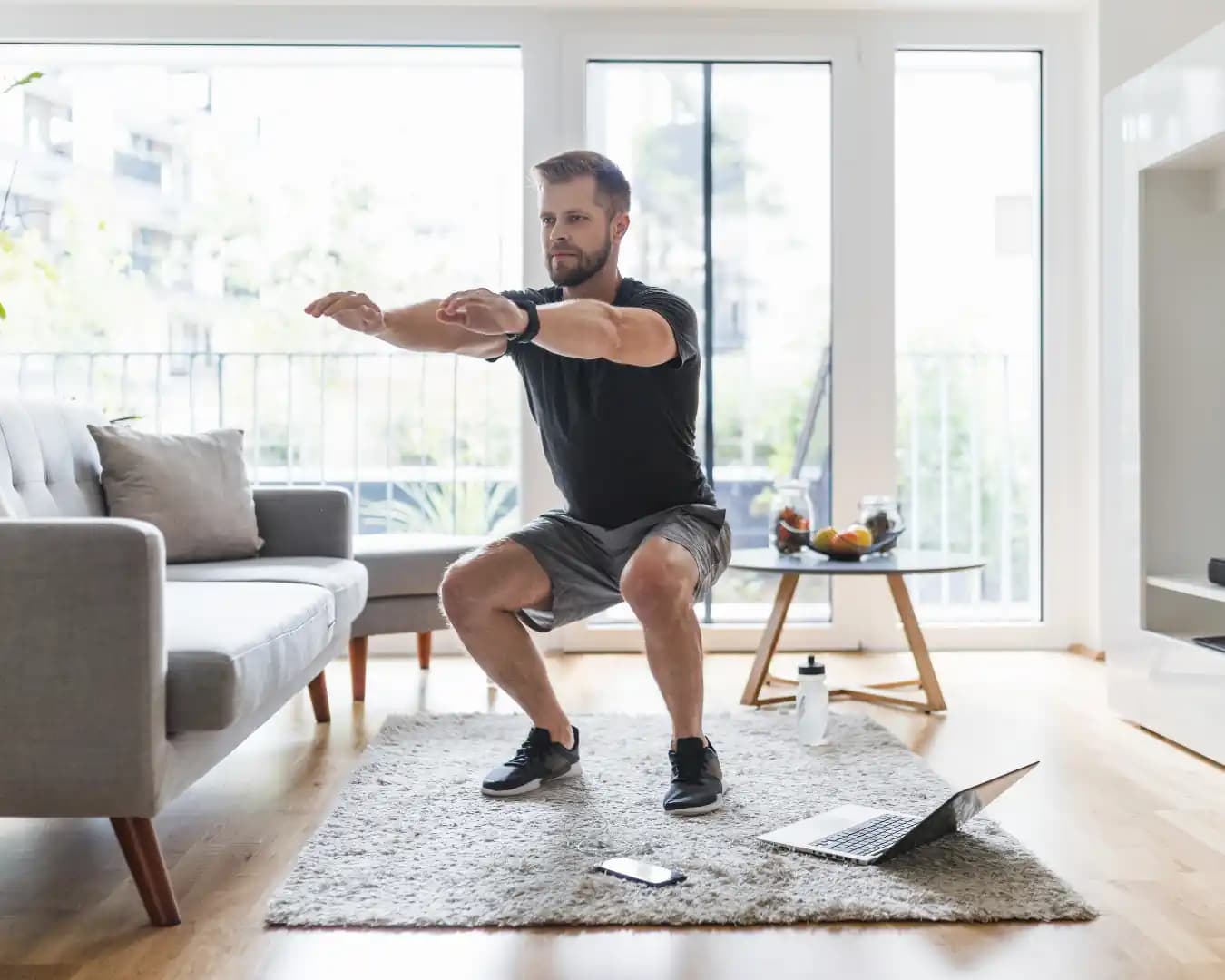
Beginner strength training should start with simple full-body movements, light resistance, proper form, and a realistic weekly routine. A good beginner plan includes 6 basic exercises: squat, hip hinge, push, pull, lunge, and core stability. Start with 2–3 sessions per week, train all major muscle groups, stop sets before form breaks down, and progress gradually by adding reps, sets, or resistance over time.
The goal is not to lift as heavy as possible on day one.
The goal is to learn movement patterns, build confidence, and create a strength routine you can repeat.
According to CDC physical activity guidance, adults should include muscle-strengthening activities at least 2 days per week that work all major muscle groups, including legs, hips, back, abdomen, chest, shoulders, and arms.
Note: This article is educational and not medical advice. If you have pain, recent injury, chronic medical conditions, pregnancy, or concerns about exercise safety, consult a qualified healthcare professional before starting a new strength program.
What Is Beginner Strength Training?
Beginner strength training is the process of using resistance to help your muscles become stronger.
Resistance can come from:
bodyweight
dumbbells
resistance bands
machines
kettlebells
suspension trainers
For beginners, the tool matters less than the structure.
A good beginner strength plan should teach you how to:
squat
hinge
push
pull
lunge
brace your core
control movement
progress safely
Strength training is not only for athletes or bodybuilders.
It can support:
muscle strength
posture
joint support
daily movement
healthy aging
body composition
confidence with exercise
Why Beginners Should Start Simple
Many people start strength training with workouts that are too complicated.
They try:
too many exercises
too much weight
random online workouts
advanced gym machines
intense soreness-based training
long workouts they cannot repeat
This often leads to confusion, soreness, or stopping after a few weeks.
The PureFit Coach Team suggests beginners focus on fewer exercises and better execution.
A simple plan done consistently will beat a complex plan you cannot repeat.
The Best Beginner Strength Training Exercises
A beginner workout should train the major movement patterns.
Here are 6 beginner-friendly exercises to start with.
1. Bodyweight Squat
Main muscles: Quads, glutes, core
Movement pattern: Squat
The squat helps train sitting, standing, stairs, and lower-body strength.
How to do it:
Stand with feet about shoulder-width apart.
Keep your chest tall.
Sit your hips back and down.
Keep knees tracking over toes.
Push through your feet to stand.
Perform 8–12 reps.
Beginner tip:
Use a chair behind you if needed. Sit lightly, then stand back up.
2. Glute Bridge
Main muscles: Glutes, hamstrings, core
Movement pattern: Hip extension
The glute bridge is a simple way to learn hip control and glute activation.
How to do it:
Lie on your back with knees bent.
Keep feet flat on the floor.
Gently brace your core.
Push through your heels.
Lift your hips.
Squeeze your glutes at the top.
Lower slowly.
Perform 10–15 reps.
Beginner tip:
Do not arch your lower back. Think “glutes lift the hips.”
3. Incline Push-Up
Main muscles: Chest, shoulders, triceps, core
Movement pattern: Push
Incline push-ups are easier than floor push-ups and help beginners build upper-body strength.
How to do it:
Place hands on a bench, table, or wall.
Step feet back.
Keep body in a straight line.
Lower chest toward the surface.
Push back up.
Perform 6–12 reps.
Beginner tip:
The higher the surface, the easier the push-up.
4. Resistance Band Row
Main muscles: Upper back, lats, biceps
Movement pattern: Pull
Rows help balance posture and strengthen the back muscles.
How to do it:
Anchor a resistance band securely.
Hold one end in each hand.
Stand tall.
Pull elbows back.
Squeeze shoulder blades gently.
Return with control.
Perform 10–15 reps.
Beginner tip:
Avoid shrugging. Keep shoulders away from ears.
5. Split Squat or Supported Lunge
Main muscles: Quads, glutes, calves, core
Movement pattern: Single-leg strength
Split squats help build balance and lower-body control.
How to do it:
Stand in a staggered stance.
Hold a wall or chair if needed.
Bend both knees slightly.
Lower with control.
Push through the front foot to stand.
Perform 6–10 reps per side.
Beginner tip:
Start with a small range of motion. Balance comes first.
6. Dead Bug
Main muscles: Core, hip stabilizers
Movement pattern: Core stability
Dead bugs teach core control without requiring crunches or planks.
How to do it:
Lie on your back.
Bring arms up and knees bent at 90 degrees.
Gently brace your core.
Slowly lower one arm and opposite leg.
Return to center.
Switch sides.
Perform 6–10 reps per side.
Beginner tip:
Keep your lower back controlled. Move slowly.
Simple Beginner Strength Workout
Use this full-body routine 2–3 times per week.
Beginner Workout A
Bodyweight Squat — 2 sets of 8–12 reps
Glute Bridge — 2 sets of 10–15 reps
Incline Push-Up — 2 sets of 6–12 reps
Resistance Band Row — 2 sets of 10–15 reps
Supported Split Squat — 2 sets of 6–10 reps per side
Dead Bug — 2 sets of 6–10 reps per side
Rest 60–90 seconds between sets.
The workout should feel challenging but manageable.
You should finish feeling like you could do a little more.
Beginner Weekly Strength Training Plan
A simple weekly plan can look like this:
Option 1: Two Days Per Week
- Monday: Full-body strength
Tuesday: Walk or mobility
Wednesday: Rest
Thursday: Full-body strength
Friday: Walk or stretching
Saturday: Optional light activity
Sunday: Rest
- Monday: Full-body strength
Wednesday: Full-body strength
Friday: Full-body strength
Other days: walking, mobility, stretching, or recovery
For most beginners, 2–3 strength sessions per week is enough to start.
Consistency matters more than doing more workouts too soon.
How Heavy Should Beginners Lift?
Beginners should start with a weight that allows good control.
A simple rule:
You should be able to finish the set with good form and still feel like you had 2–3 reps left.
If form breaks down, the set is over.
NASM’s beginner strength training guidance also emphasizes starting at appropriate intensities, progressing gradually, and stopping a set when form breaks down.
Good beginner resistance options include:
bodyweight
light dumbbells
resistance bands
machines with light settings
household objects
You do not need heavy weights to start.
You need control, consistency, and progression.
How to Progress Beginner Strength Training
Progressive overload means gradually making training more challenging so your body continues adapting.
But beginners do not always need to add weight first.
You can progress by:
improving form
adding reps
adding one extra set
slowing the lowering phase
increasing range of motion
reducing rest slightly
adding light resistance
moving from supported to unsupported versions
NASM explains that progressive overload can come from technique improvements, more reps, higher training volume, or resistance increases — not only heavier weights.
A simple 4-week progression:
Week 1
Learn the exercises. Use light resistance.
Week 2
Add 1–2 reps per exercise if form is good.
Week 3
Add one extra set to 1–2 exercises.
Week 4
Add light resistance or choose a slightly harder variation.
Progress slowly.
You should not feel destroyed after every workout.
Safety Tips for Beginner Strength Training
Start with 5 minutes of easy movement.
Examples:
walking
bodyweight squats
arm circles
hip hinges
shoulder mobility
light cardio
Form first. Weight second.
3. Stop before pain
Muscle effort is normal. Sharp pain is not.
4. Control the lowering phase
Do not drop into movements.
Lower slowly, then stand or press with control.
5. Rest enough between sets
Beginners do not need to rush.
Rest 60–90 seconds or longer if needed.
6. Keep soreness manageable
Mild soreness can happen, but extreme soreness is not the goal.
Common Beginner Strength Training Mistakes
Doing too much too soon often leads to soreness and inconsistency.
Start easier than you think.
2. Changing workouts every session
Beginners need repetition to learn movement patterns.
Keep the same basic routine for several weeks.
3. Avoiding strength because of fear
Many beginners worry strength training is only for advanced people.
But strength training can be scaled to almost any starting level.
4. Only doing cardio
Cardio is valuable, but it does not replace muscle-strengthening activity.
A complete plan should include both.
5. Measuring progress only by weight
Strength progress can show up as:
better form
more reps
better posture
more confidence
less stiffness
heavier weights over time
easier daily movement
PureFit Coach Team Suggestions
The PureFit Coach Team suggests beginners start with a simple full-body routine 2–3 times per week.
For most beginners:
choose 5–6 basic exercises
train all major muscle groups
use light resistance first
stop before form breaks down
repeat the same routine for 4–6 weeks
add reps before adding weight
track workout completion
combine strength with walking, mobility, and recovery
The goal is not to prove how hard you can train.
The goal is to build a repeatable strength system.
A good beginner routine includes squat, hip hinge, push, pull, lunge, and core exercises. Start with 2 sets per exercise, 2–3 times per week.
How many days a week should beginners strength train?
Most beginners can start with 2–3 days per week. CDC guidance recommends muscle-strengthening activity at least 2 days per week for adults.
Should beginners use machines or free weights?
Both can work. Machines may feel easier to control at first, while dumbbells and bands help train coordination. The best option is the one you can use safely and consistently.
How long should a beginner strength workout be?
A beginner workout can be 25–40 minutes. Longer is not always better.
Should I be sore after strength training?
Mild soreness can happen, especially when starting. But extreme soreness is not necessary for progress.
When should I increase weight?
Increase weight when you can complete all reps with good form and the exercise feels controlled.
Beginner strength training does not need to be complicated.
Start with the basics:
squat
glute bridge
incline push-up
band row
split squat
dead bug
Train 2–3 times per week.
Use good form.
Progress slowly.
Track small wins.
Strength is built through repetition, not rushing.
A simple plan done consistently is the best place to start.
See our other post about Strength Training at Home here.