
Strength Training at Home: Does It Really Work?
Learn how strength training at home can be effective with proper programming, progression, and simple equipment.
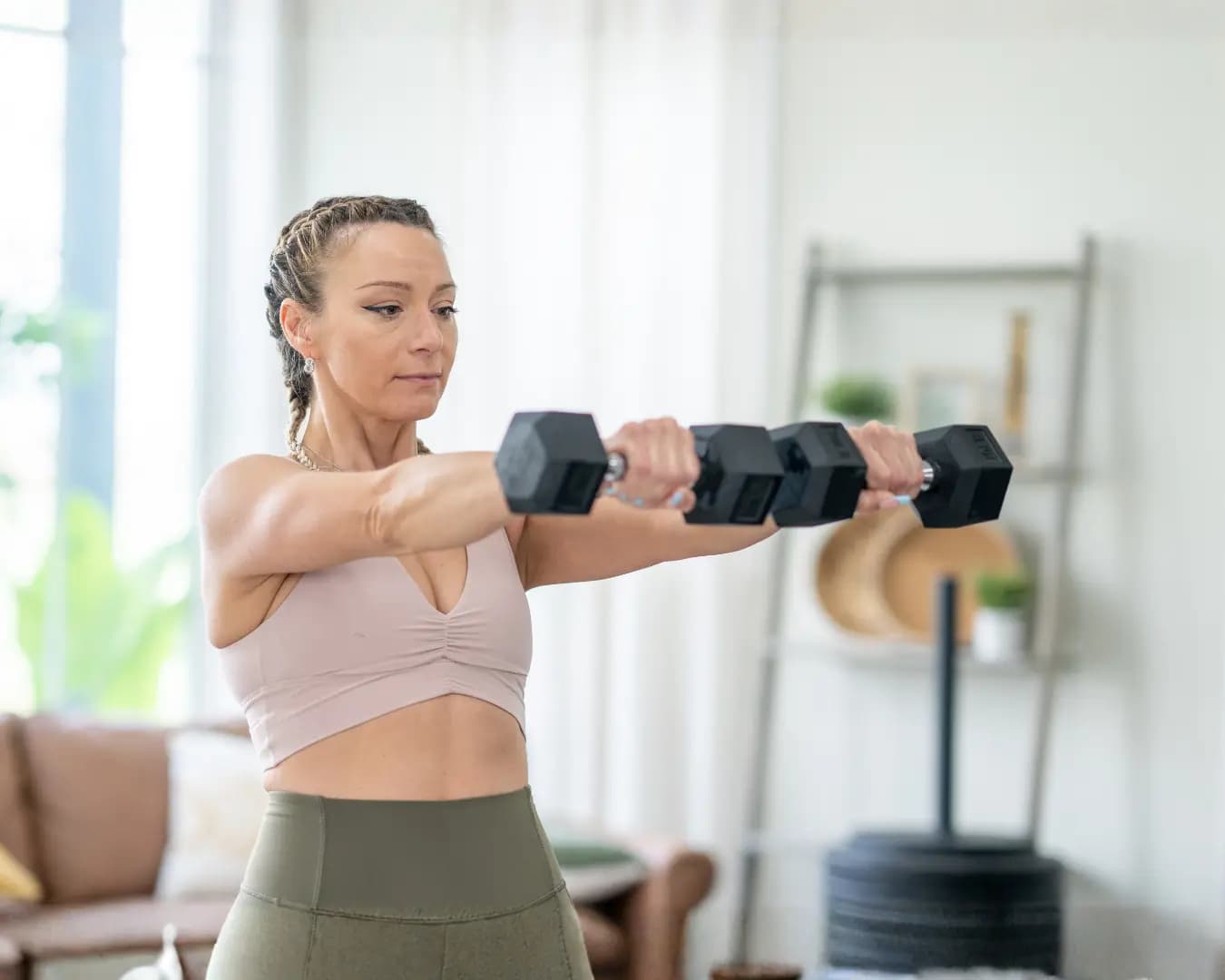
Strength Training at Home: Can It Be Effective?
Many people assume effective strength training at home requires:
a full gym
heavy barbells
expensive equipment
But in reality, research and coaching experience suggest that well-structured home strength training can be highly effective when key principles are followed.
Organizations like ACSM, NSCA, and NASM consistently emphasize that progressive overload, exercise selection, and consistency matter more than training location itself.
Note: This content is educational and not medical advice.
Can Strength Training at Home Really Work?
Yes, if the program is designed correctly.
Effective strength training at home can improve:
- muscular strength
- posture and movement quality
- body composition
- daily function and energy levels
What matters most is:
- structured progression
- appropriate resistance
- consistency over time
Why Home Strength Training Has Become More Popular
Home workouts offer advantages like:
flexibility
time efficiency
lower barriers to starting
reduced commuting time
For many people, this improves consistency, which is one of the biggest drivers of long-term results.
Insights From the PureFit Coach Team
A professionally designed strength program can absolutely work at home.
From coaching experience, many clients achieve meaningful progress using:
dumbbells
resistance bands
suspension trainers
bodyweight exercises
The key is not the location.It’s:
progression
exercise quality
proper programming
What Makes Strength Training at Home Effective?
1. Progressive overloadStrength improves when training gradually becomes more challenging.
This can happen through:
more resistance
more repetitions
slower tempo
improved movement control
A complete home program should include:
lower body exercises
upper body pushes and pulls
core training
mobility work
Research-supported training principles suggest that approaching moderate muscle fatigue is important for strength adaptation.
Very light effort often limits results.
Common Mistakes We Often See in At Home Strength Training
1. Following fixed or random workout videosMany people rely only on:
fixed YouTube workouts
random app videos
unstructured circuits
Without progression, long-term results are often limited.
2. No personalized planDifferent people require different:
exercise selection
frequency
progression speed
Effective training often includes phases of:
progression
recovery
variation
This helps maintain progress over time.
4. Changing workouts too oftenConstantly switching exercises can reduce measurable progression.
PureFit Coach Team Suggestions
For effective strength training at home, we suggest:
- follow a progressive plan
- train all major muscle groups
- include mobility and recovery work
- track progress consistently
- use manageable but challenging resistance
Most importantly, consulting with a trainer experienced in at-home training can significantly improve:
exercise selection
accountability
progression strategy
Sample Strength Training at Home Workout
Day 1 – Lower Body + CoreGoblet Squat
Glute Bridge
Split Squat
Stiff Leg Deadlift
Side Plank
Push-Up or Incline Push-Up
Resistance Band Row
Shoulder Press
Band Face Pull
Pallof Press
This type of structure supports balanced development and long-term consistency.
What Equipment Do You Need for Strength Training At Home?
You do not need a full gym.
Many people make significant progress using:
- adjustable dumbbells
- resistance bands
- couch or chair
- bodyweight training
Simple equipment is often enough when combined with proper programming.
How Long Before You See Results?
With consistent strength training at home:
energy and movement improvements may appear within weeks
strength gains develop gradually
posture and confidence often improve over time
The key factor is consistency—not perfection.
Strength Training At Home vs Gym Training
Gym training may provide:
heavier loading options
more equipment variety
Home training may improve:
convenience
consistency
adherence
Both can be effective when based on sound training principles.
See our other post about practical strength training program here
Final Thoughts
Strength training at home can absolutely work.
The most important factors are:
structured progression
sufficient effort
consistency
a well-designed program
A smart home program often produces better results than random gym workouts without structure.