
Stretching Lower Back: 5 Safe Stretches to Try
Learn the benefits of stretching lower back muscles, 5 simple movements to try, and common mistakes to avoid for safer relief.
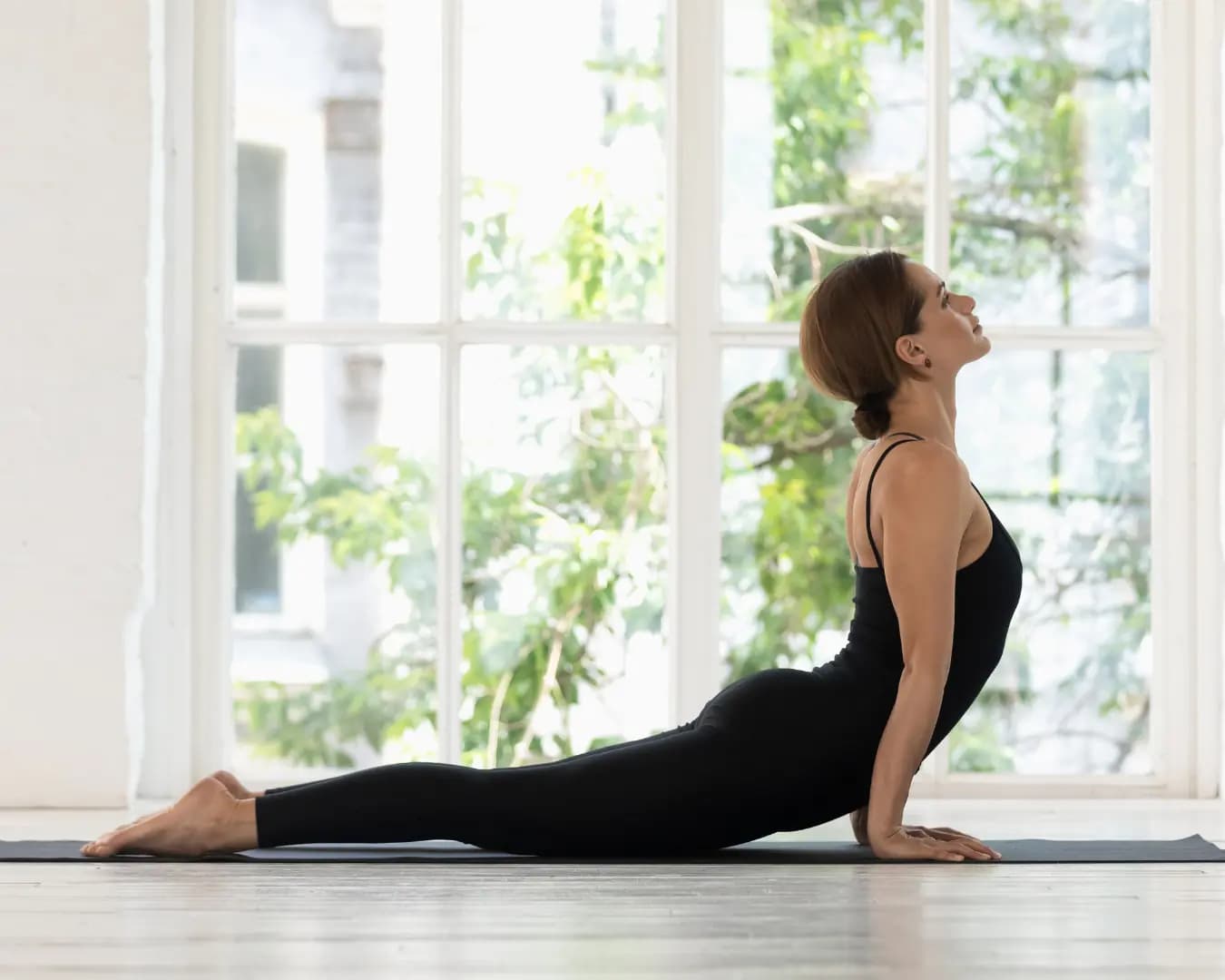
Stretching Lower Back: Benefits, 5 Movements & Mistakes to Avoid
Lower back stiffness is one of the most common issues people experience after long periods of sitting, poor posture habits, intense workouts, or low daily movement.
That’s why stretching lower back muscles can be helpful when done safely and consistently.
But here’s the important point: lower back stretching should not be aggressive. The goal is not to force your spine into extreme positions. The goal is to reduce stiffness, improve movement comfort, and help your body feel more prepared for daily activity or training.
Note: This article is educational and not medical advice. If you have severe pain, radiating pain, numbness, weakness, recent injury, or symptoms that worsen with movement, consult a qualified healthcare professional.
Stretching Lower Back Benefits
A gentle lower back stretching routine may help support:
reduced stiffness after sitting
improved spinal mobility
better hip and pelvis movement
improved workout preparation
better recovery after training
more comfortable daily movement
Lower back discomfort is often connected to more than the back itself. Tight hips, stiff hamstrings, limited thoracic mobility, and weak core control can all influence how the lower back feels.
That’s why a smart routine should not only stretch the lower back directly. It should also include movements that target the hips, glutes, hamstrings, and upper back.
When Should You Stretch Your Lower Back?
You can include lower back stretches:
after long periods of sitting
after a workout
on recovery days
in the morning if you feel stiff
before bed if gentle stretching helps you relax
For most people, 5–10 minutes is enough to start.
The PureFit Coach Team suggests keeping lower back stretching gentle, consistent, and combined with strength training. Stretching may help you feel better, but long-term improvement usually requires mobility, core control, glute strength, and better daily movement habits.
5 Movements for Stretching Lower Back
Below are five beginner-friendly movements you can use in a simple lower back stretching routine.
1. Cat-Cow Stretch
The cat-cow stretch helps move the spine through gentle flexion and extension.
How to do it:
Start on hands and knees.
Slowly round your back upward.
Then slowly lower your belly and lift your chest.
Move with control.
Repeat 8–10 times.
Why it helps:
Cat-cow encourages smooth spinal movement and can reduce stiffness without forcing the lower back into one fixed position.
2. Knee-to-Chest Stretch
The knee-to-chest stretch is a simple way to gently stretch the lower back and glute area.
How to do it:
Lie on your back with knees bent.
Bring one knee toward your chest.
Hold gently for 10–20 seconds.
Switch sides.
Repeat 2–3 times per side.
Why it helps:
This movement can reduce lower back tension and create a comfortable stretch through the hips and lower spine.
3. Child’s Pose
Child’s pose is a gentle resting stretch that can help relax the lower back.
How to do it:
Start on hands and knees.
Sit your hips back toward your heels.
Reach your arms forward.
Let your back relax.
Hold for 20–30 seconds.
Why it helps:
Child’s pose can create a gentle stretch through the lower back, hips, and shoulders.
4. Supine Trunk Rotation
This stretch helps improve rotational mobility through the spine and hips.
How to do it:
Lie on your back with knees bent.
Keep shoulders relaxed on the floor.
Slowly let both knees fall to one side.
Return to center.
Repeat on the other side.
Perform 6–8 slow reps per side.
Why it helps:
Controlled rotation can help reduce stiffness and improve movement variety, especially after long sitting.
5. Hamstring Stretch
Tight hamstrings can influence pelvic position and lower back tension.
How to do it:
Lie on your back.
Raise one leg upward.
Keep the knee slightly bent if needed.
Hold behind the thigh, not the knee joint.
Hold for 20–30 seconds.
Switch sides.
Why it helps:
This stretch targets the back of the thigh and may help reduce tension around the pelvis and lower back.
Sample 7-Minute Lower Back Stretching Routine
Try this simple routine:
Cat-Cow Stretch - 10 reps
Knee-to-Chest Stretch - 30 seconds each side
Child’s Pose - 60 seconds
Supine Trunk Rotation - 10 reps each side
Hamstring Stretch - 30 seconds each side
Repeat twice.
This routine is simple enough to do after sitting, after training, or on recovery days.
Common Mistakes to Avoid When Stretching Your Back
1. Stretching too aggressively
Lower back stretching should not feel sharp, forced, or painful.
A mild stretch is enough.
If you push too hard, you may increase irritation instead of reducing stiffness.
2. Only stretching the lower back
The lower back is often affected by surrounding areas.
If you ignore hips, hamstrings, glutes, and upper back mobility, you may miss the real contributor to stiffness.
A better approach is full-body movement balance.
3. Holding your breath
Breathing helps your body relax.
During each stretch, breathe slowly and avoid bracing too hard.
4. Stretching through pain
Discomfort and pain are not the same.
Stop if you feel sharp pain, radiating symptoms, numbness, or worsening discomfort.
5. Expecting stretching alone to fix everything
Stretching lower back muscles can help with stiffness, but it is not always enough.
Long-term improvement often requires:
- strength training
- core stability
- glute activation
- better sitting habits
- daily walking
- recovery and sleep
Stretching is one tool, not the whole solution.
PureFit Coach Team Suggestions
The PureFit Coach Team suggests using lower back stretching as part of a balanced routine.
For most people, a smart weekly approach includes:
- gentle lower back stretching 2–4 times per week
- strength training 2–3 times per week
- mobility work for hips and upper back
- daily walking or light movement breaks
- avoiding long periods of uninterrupted sitting
If lower back stiffness keeps returning, the goal should not be only “stretch more.”
The better question is:
Why does the back keep getting stiff?
Often, the answer involves daily posture, inactivity, weak supporting muscles, or poor training progression.
Also see our post about stretching workout
Frequently Asked Questions
Is stretching lower back good for pain?
Gentle stretching may help reduce stiffness and improve comfort for some people. But if pain is severe, worsening, radiating, or linked to injury, seek professional care.
How often should I stretch my lower back?
Many people can start with 2–4 short sessions per week. Keep sessions gentle and consistent.
Should I stretch my lower back every day?
Daily gentle stretching may be fine for some people, but it should not cause pain or irritation. If symptoms worsen, reduce frequency and consult a professional.
What is the best stretch for lower back stiffness?
There is no single best stretch for everyone. Cat-cow, knee-to-chest, child’s pose, trunk rotations, and hamstring stretches are common beginner-friendly options.
Can stretching replace strength training?
No. Stretching can support mobility and comfort, but strength training helps build long-term support and control.
Final Thoughts
Stretching lower back muscles can be a useful part of a healthy movement routine.
The key is to keep it gentle, consistent, and connected to a broader plan that includes strength, mobility, posture habits, and daily movement.
Lower back comfort usually improves best when you stop relying on quick fixes and start building a system your body can repeat.