
Stretching Workout: Improve Mobility & Posture
A science-informed stretching workout to improve mobility, posture, and recovery. Learn key stretching exercises and common mistakes to avoid.
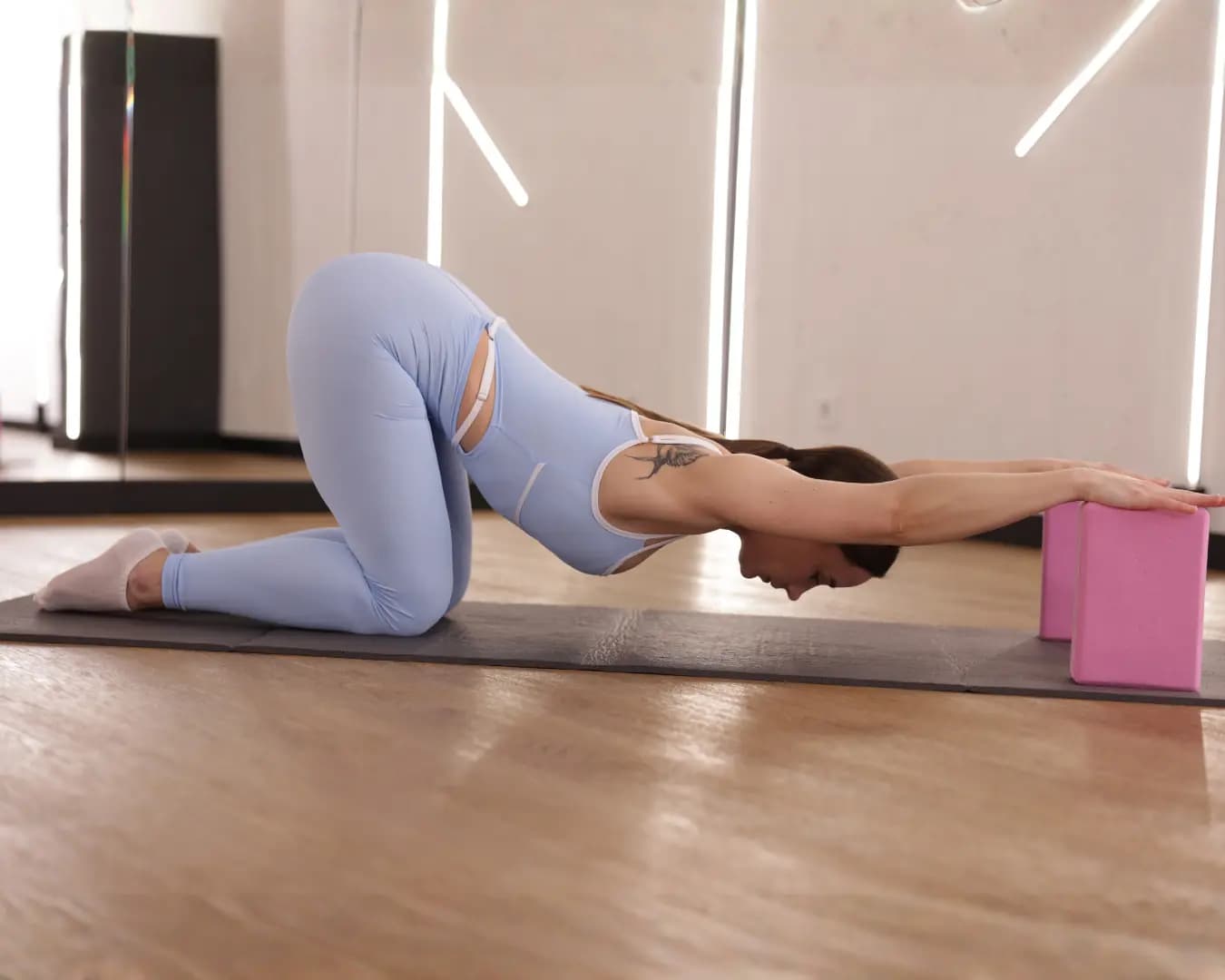
Stretching Workout: A Practical Plan for Mobility, Posture & Recovery
Many people treat stretching as optional, something to do only when feeling tight.
But a structured stretching workout can support movement quality, reduce stiffness, and improve how your body responds to training. When combined with strength training, a stretching workout helps maintain joint range of motion and muscle balance.
Guidelines from organizations like ACSM, NASM, and NSCA highlight stretching workout as an important component of overall fitness, particularly for maintaining mobility and supporting functional movement.
Note: This content is educational and not medical advice. If you experience significant pain or injury, consult a qualified professional before starting a new routine.
Why a Stretching Workout Matters
A well-designed stretching workout can:
Improve joint range of motion
Reduce muscle stiffness
Support posture and alignment
Enhance movement efficiency
Stretching workout is not just about flexibility, it helps the body move more comfortably and efficiently during daily activities and training.
Coaching Insights From the PureFit Coach Team
From coaching experience, several patterns consistently appear.
1. Stretching workout supports strength training
When mobility improves, movement quality often improves. This allows better positioning during strength exercises, which may support more effective training.
2. Stretching workouts can help reduce tension areas
Targeted stretching workouts often help relieve tightness in common areas such as hips, chest, and neck.
3. Stretching workouts contributes to posture improvement
Mobility in the thoracic spine, hips, and shoulders can support better alignment when combined with strength training.
How to Structure a Stretching Workout
The PureFit Coach Team suggests:
- Include stretching workouts at least 2 times per week
- Perform them after strength training or as a separate full-body session
- Keep sessions simple and controlled
A typical stretching workout session may last 10-20 minutes and focus on major muscle groups.
9 Common Stretching Exercises for Full-Body Mobility
Below are commonly used exercises in a balanced stretching workout.
- Inner Thigh Stretch. Targets adductors. Helps improve hip mobility.
- Hamstring Stretch. Supports posterior chain flexibility. Avoid aggressive pulling.
- Quadriceps Stretch. Reduces front thigh tightness, especially from prolonged sitting.
- Hip Flexor Stretch. Important for reducing stiffness from sedentary habits.
- Lat Stretch. Improves upper body mobility and overhead movement.
- Chest Stretch. Helps counteract rounded shoulder posture.
- Levator Scapulae Stretch. Targets neck tension commonly associated with desk work.
- Thoracic Spine Stretch. Improves upper-back mobility and posture support.
- Calf Stretch. Supports ankle mobility and lower-body movement.
These exercises form the foundation of an effective stretching workout.
8 Tips for an Effective Stretching Workout
Move into stretches gradually
Avoid sudden or aggressive positions.Hold each stretch with control
15-30 seconds is commonly recommended in flexibility guidelines.Breathe normally
Avoid holding your breath during stretches.Do not push into pain
Stretching should feel mild to moderate, not sharp.Stay consistent
Regular stretching is more effective than occasional sessions.Combine with strength training
Mobility and strength work together for better outcomes.Focus on commonly tight areas
Hips, chest, and upper back often benefit most.Use stretching as recovery support
Especially after training sessions.
Common Stretching Workout Mistakes We Often See
- Underestimating the value of stretching workouts. Many people skip stretching, even though it supports long-term movement quality.
- Stretching too aggressively. Excessive force can increase irritation rather than improve flexibility.
- Being inconsistent. Occasional stretching workouts have limited long-term impact.
- Stretching without strength training. Mobility improvements are more effective when supported by strength.
Stretching vs Strength: Why You Need Both
Stretching alone does not create stable movement.
Strength training helps control new ranges of motion, while stretching helps access them.
A balanced approach, recommended in many training frameworks, combines:
Strength training
Mobility work
Recovery strategies
This combination supports both performance and comfort.
See or post about strength training.
How Long Before You See Results?
With consistent stretching workouts:
Reduced stiffness may be noticeable within weeks
Improved mobility develops gradually
Posture benefits appear when combined with strength training
Consistency remains the key factor.
Building a Sustainable Stretching Workout Routine
The PureFit Coach Team often suggests:
Strength training 2-3 times per week
Stretching workouts 2 times per week
Mobility integrated into warm-ups
This structure supports both flexibility and strength development.
Ready to Add Stretching Workouts to Your Routine?
A structured stretching workout helps maintain mobility, reduce stiffness, and support better posture.
When combined with strength training, it becomes a powerful tool for long-term movement quality.