
Pain Relief Workouts: At-Home Plan for Back & Knee
Safe pain relief workouts at home for back pain, neck pain, and knee discomfort. A structured plan with strength and mobility basics.
If you’re dealing with recurring back stiffness, neck tension, or knee discomfort, the solution usually isn’t complete rest. It’s smarter movement. The right pain relief workouts combine mobility, strength, and control to reduce irritation and improve how your body handles daily stress.
Most people either stop moving entirely or jump into random exercises. Neither works long term. Structured pain relief workouts focus on improving joint mechanics and muscle balance while keeping irritation low. When done consistently at home, pain relief workouts can support comfort, posture, and strength without overwhelming your system.
Important: This guide is educational, not medical advice. If you have severe, worsening, or unexplained pain, numbness, weakness, or recent trauma, consult a licensed healthcare professional before starting any program.
Why pain relief workouts work
Back, neck, and knee discomfort often share three patterns:
Reduced joint mobility
Weak or underactive stabilizing muscles
Overuse of compensating muscles
Well-designed pain relief workouts address all three. Instead of stretching aggressively or loading heavily, you use controlled movements to rebuild tolerance gradually.
The structure of an at-home pain relief plan
A simple weekly framework for pain relief workouts looks like this:
2-4 sessions per week
20-40 minutes per session
Focus on quality over intensity
Stop if pain sharply increases
Each session includes:
Gentle mobility work
Activation drills
Controlled strength movements
Light recovery movement
8 Tips for Safe and Effective Pain Relief Workouts
Start below your pain threshold
Mild discomfort is different from sharp or radiating pain. Stay in tolerable ranges.Move slowly and with control
Fast repetitions often increase irritation. Controlled tempo builds stability.Prioritize mobility where you’re stiff
Tight hips and upper back frequently contribute to lower back discomfort.Strengthen the surrounding muscles
For knees, focus on glutes and hamstrings. For neck tension, strengthen upper back muscles.Avoid aggressive stretching
Overstretching irritated tissues can prolong recovery.Use simple equipment
Bodyweight, resistance bands, or light dumbbells are enough for effective pain relief workouts.Progress gradually
Increase difficulty only when movements feel controlled and stable.Be consistent
Two moderate sessions weekly are better than one intense session followed by a long break.
Sample Pain Relief Workout (Back, Neck & Knee Friendly)
This example session combines mobility and strength. Adjust range if needed.
1. Cat-Camel (Mobility)
Slow spinal movement to improve control.
8-10 reps.
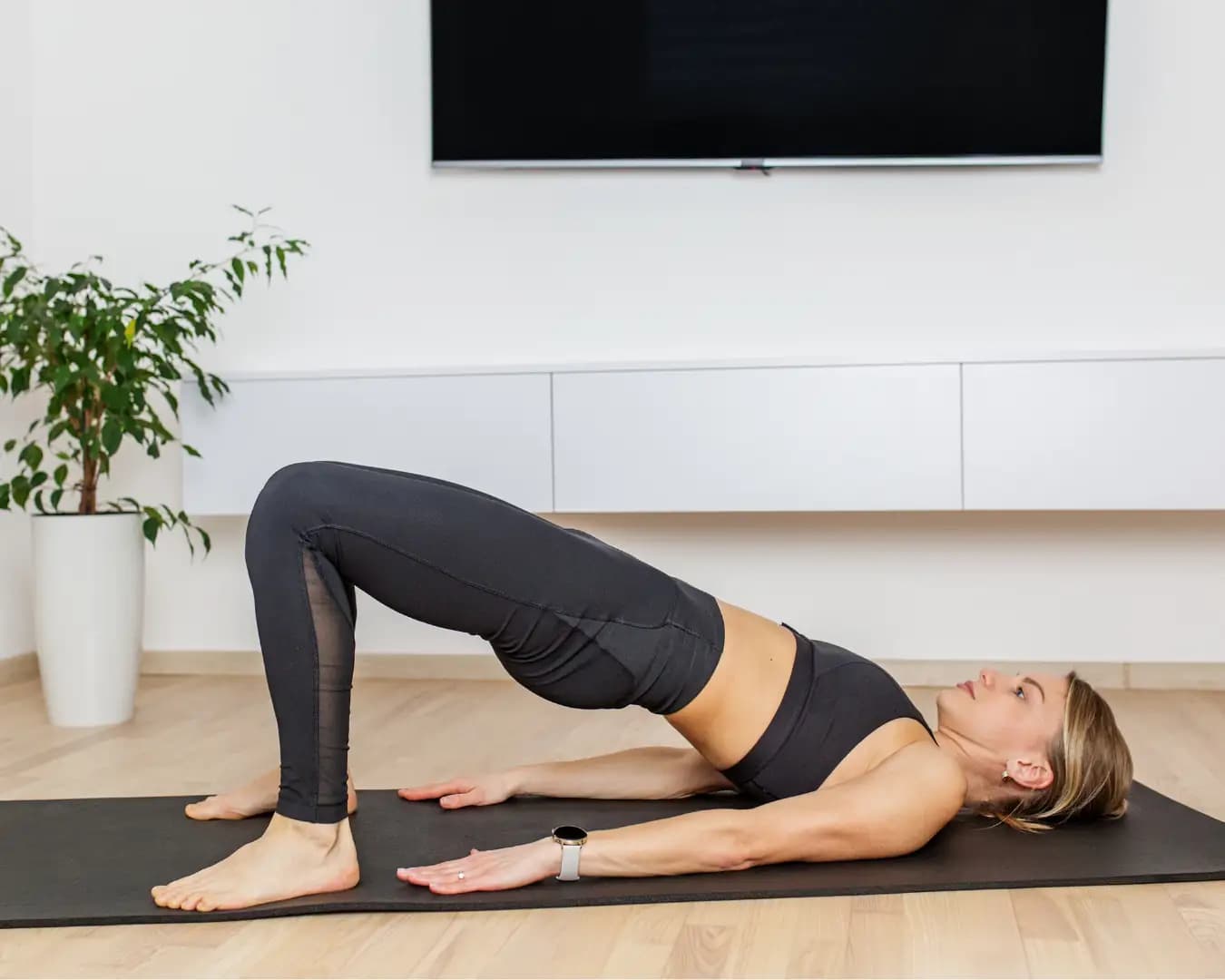
2. Glute Bridge (Strength)
Builds hip support for lower back and knees.
2-3 sets of 10 reps.
3. Dead Bug (Core Control)
Improves trunk stability.
2 sets of 8 controlled reps per side.
4. Wall Slides (Upper Back Activation)
Helps posture and reduces neck strain.
2 sets of 10 reps.
5. Step-Back Split Squat (Knee-Friendly Strength)
Short range, slow tempo.
2 sets of 8 reps per side.
6. Standing March (Balance & Control)
Encourages hip stability.
1-2 sets of 10 reps per side.
This combination of mobility + controlled loading forms the foundation of effective pain relief workouts at home.
Common mistakes to avoid
Jumping into high-impact training too soon
Ignoring posture and technique
Training through sharp pain
Doing random exercises without progression
The best pain relief workouts are boringly consistent, not extreme.
When to seek professional help
Stop and consult a qualified professional if you experience:
Pain that radiates down the leg or arm
Numbness or weakness
Pain that worsens significantly with movement
Recent injury or fall
Exercise supports recovery, but certain conditions require direct medical assessment.
See our post about online personal training
Building long-term resilience
The goal of pain relief workouts isn’t just symptom reduction. It’s rebuilding tolerance so daily activities feel easier.
Over time, you can:
Increase strength gradually
Expand movement range
Add more challenging variations
Transition toward full strength training
Many people find that once basic pain relief workouts feel controlled, they can progress into structured strength plans that protect joints long term.
Ready to move with confidence?
If you want structured pain relief workouts tailored to your posture, movement patterns, and schedule, start with a guided plan instead of guessing.
Consistency, not intensity, is what changes how your body feels.